Source hasco remote control shell for Vessels, Docks, and Terminals
Find 30 verified listings for the hasco remote control shell suitable for vessel, dock, and terminal port applications. Buyers can compare specifications including material, voltage, and customization options to select the right component for their industrial needs.
Key considerations
Products List


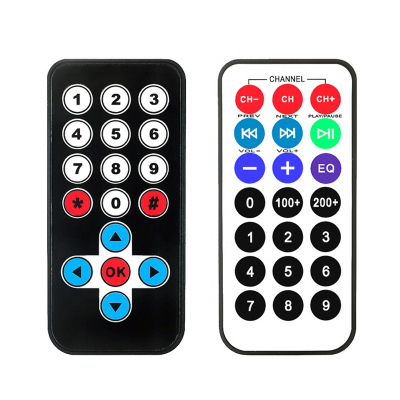

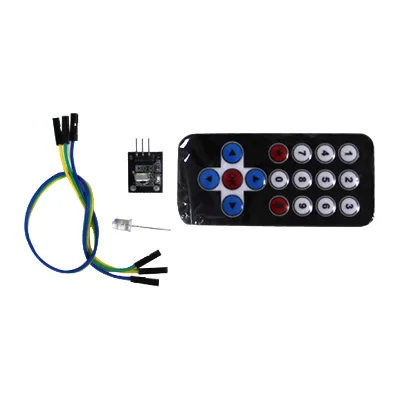


Comprehensive Sourcing Guide
Hasco Remote Control Shell Sourcing Guide
The procurement of remote control shells requires a clear distinction between the structural housing components and the internal electronic assemblies, as the market often lists these as separate SKUs. Based on observed product attributes, the term "remote control shell" in this context frequently overlaps with specialized housing for industrial or marine applications, where materials like Q345b steel or high-grade plastics are specified for durability. Buyers must verify whether the listing refers to a generic plastic enclosure for consumer electronics or a heavy-duty metallic housing designed for harsh environments, as the technical requirements and cost structures differ significantly between these categories.
Sourcing decisions should be grounded in the specific operational environment of the end product, as the observed data indicates applications ranging from general consumer use to critical infrastructure like vessels, docks, and terminal ports. The availability of customization options for surface treatment, such as matte or glossy finishes, and the ability to tailor packing requirements suggest that suppliers are prepared to meet diverse branding and logistical needs. However, buyers must explicitly confirm that the shell's structural integrity, including thickness ranges and material composition, aligns with the mechanical stresses expected in the intended application before committing to a purchase order.
Product Scope and Observed Listing Signals
The product landscape for remote control shells includes a wide spectrum of configurations, from single-row anti-dialing key housings to universal remote control units with specific voltage requirements. Observed listings reveal that materials vary from brass and plastic to structural steel like Q345b, indicating that the "shell" may refer to a lock cylinder body, a battery housing, or a large-scale industrial enclosure depending on the specific model number provided. Buyers should scrutinize the product model identifiers, such as "remote control 73" or "PK-SK-019," to ensure the physical dimensions and material properties match the design specifications of their assembly line.
Listing signals also highlight significant variability in packaging and volume, with some items packed in small bags of 200 pieces while others are associated with large cargo volumes of 4 to 14 cubic meters. This disparity suggests that the market includes both small-batch component suppliers and large-scale manufacturers of industrial equipment, requiring buyers to clarify their volume needs early in the negotiation process. The presence of "Customized According to Requirements" for both packing and standards implies that standard off-the-shelf solutions may not be available for all specifications, necessitating a clear definition of the required shell geometry and finish before requesting quotes.
Technical Specifications to Verify
Technical verification must begin with the material composition, as the observed data lists brass, plastic, and Q345b steel as potential shell materials, each offering distinct advantages in terms of corrosion resistance, weight, and cost. For applications involving marine environments or heavy machinery, the structural steel options with a dead weight of 5 tons and wire rope diameters of 24mm may be relevant, whereas consumer electronics likely require lightweight plastic shells with button battery compartments. Buyers should request material test reports to confirm that the specified alloy or polymer grade meets the mechanical strength requirements for the specific load-bearing or impact scenarios of the final product.
Dimensional accuracy and surface treatment are equally critical, with observed thickness ranges spanning from 1.0 to 3.5 millimeters and surface options including electroplating, matte, and glossy finishes. The hardness of the shell, described as "hard" in some listings, must be validated against the wear and tear expected during the product's lifecycle, particularly for components like lock cylinders that undergo frequent mechanical interaction. Additionally, the voltage rating of 3V and the life expectancy of 5 million cycles for associated electronic components should be cross-referenced with the shell's internal clearance to ensure that the housing does not compromise the performance or safety of the embedded electronics.
Compliance and Safety Documentation
Compliance verification is essential when sourcing shells that may contain or house electronic components, as observed certifications include RoHS and ISO standards which indicate adherence to environmental and quality management protocols. Buyers must ensure that the supplier can provide valid, up-to-date certificates for the specific batch of shells being purchased, as the presence of a certification on a general product page does not guarantee that every individual unit or production run meets the required regulatory thresholds. For products intended for export to regions with strict chemical restrictions, confirming that the plastic or metal coatings are free from prohibited substances is a non-negotiable step in the qualification process.
Safety documentation should also address the mechanical integrity of the shell, particularly for applications involving high-stress environments like vessels or docks where structural failure could lead to significant hazards. While specific test results are not provided in the general listing data, buyers should request evidence of stress testing, impact resistance, and fire safety ratings if the shell is intended for use in enclosed or high-risk areas. The "Universal" attribute observed in some listings suggests broad compatibility, but this claim must be substantiated with dimensional tolerance data to ensure that the shell does not interfere with the safety mechanisms of the device it houses.
Cost Drivers and Commercial Terms
Cost drivers for remote control shells are heavily influenced by the material selection, with brass and structural steel typically commanding higher prices than standard plastics due to raw material costs and processing complexity. The observed MOQ range of 1 to 30,000 pieces indicates that unit pricing will vary drastically based on order volume, with smaller orders likely incurring higher per-unit costs due to setup and tooling expenses. Buyers should analyze the total cost of ownership, including the potential need for custom tooling if the "Customized According to Requirements" option is selected, as this can significantly impact the initial investment and lead time.
Commercial terms must be carefully negotiated to account for the variability in packaging and shipping, as observed data shows packaging ranging from 200 pieces per bag to large cartons containing 4,000 pieces, with some products associated with massive cargo volumes. The lead time and shipping costs will depend on whether the shell is a standard item or a custom-manufactured component, with custom orders likely requiring longer production cycles and more complex logistics planning. Buyers should clarify whether the quoted price includes surface treatment processes like electroplating and whether the packaging is designed to protect the shell during transit, as these factors can add hidden costs if not explicitly included in the initial quote.
Supplier Qualification and Quality Control
Supplier qualification should focus on the manufacturer's ability to deliver consistent quality across different material types and customization levels, as the observed data suggests a mix of suppliers offering both standard and bespoke solutions. Buyers must verify the supplier's production capacity and quality control systems, particularly their adherence to ISO standards, to ensure that the shells meet the required specifications for thickness, hardness, and surface finish. The presence of "Customized Stamping" and "Customized Standard" attributes implies that the supplier has flexible manufacturing capabilities, but this flexibility must be balanced with rigorous quality assurance processes to prevent defects in custom runs.
Quality control protocols should include regular inspections of the shell's structural integrity, surface treatment consistency, and dimensional accuracy, especially for applications where the shell plays a critical role in the device's safety. Buyers should request a sample batch for testing before committing to a large order, focusing on verifying the "Excellent Touch Feeling" and "Hardness" claims against actual performance metrics. Additionally, the supplier's track record in handling complex orders, such as those involving marine applications or high-volume production, should be assessed to ensure they can meet the delivery schedules and quality expectations of the buyer.
Long-Term Procurement Checks
Long-term procurement strategies should include regular audits of the supplier's quality control systems and material sourcing practices to ensure ongoing compliance with evolving industry standards and environmental regulations. As the market for remote control shells evolves, buyers must stay informed about changes in material availability and pricing, particularly for specialized alloys like Q345b or high-grade plastics, to avoid supply chain disruptions. Establishing a long-term partnership with a supplier who demonstrates a commitment to continuous improvement and transparency can help mitigate risks associated with price volatility and quality inconsistencies.
Buyers should also implement a system for monitoring the performance of the shells in the field, collecting data on failure rates, wear patterns, and customer feedback to inform future procurement decisions. This feedback loop is essential for refining specifications and ensuring that the shells continue to meet the operational demands of the end product over time. By maintaining open communication with suppliers and regularly reviewing performance data, buyers can proactively address potential issues and optimize the procurement process for long-term efficiency and reliability.
FAQs
What materials are used for hasco remote control shells?
The shells are primarily manufactured from brass or plastic depending on the specific model requirements. Brass variants often feature electroplating for surface treatment, while plastic options provide a hard, excellent touch feeling. These material choices ensure durability and aesthetic flexibility for different industrial applications.
Can the hasco remote control shell be customized?
Yes, customization is available for various aspects of the product. Buyers can request specific colors such as white, black, blue, silver, golden, or colorful finishes. Additionally, packaging can be customized according to requirements, and stamping details can be tailored to meet specific operational needs or branding standards.
What is the typical MOQ for these remote control shells?
The minimum order quantity is generally set at 50 pieces. However, observed ranges across listings indicate that MOQs can vary from 1 to 30,000 pieces depending on the supplier and specific product configuration. Buyers should verify the exact MOQ with the manufacturer before placing an order.
Where are these remote control shells manufactured?
These products originate from China, with specific manufacturing locations including Guangdong and Xiamen. The production facilities are situated in the Mainland region, ensuring access to established supply chains and manufacturing capabilities for both standard and customized remote control shell components.
What certifications apply to the remote control shell products?
Products may carry ISO and RoHS certifications, indicating compliance with international quality and environmental standards. Some listings also reference ISOOperation:Manual Control standards. Buyers should request specific certification documents from suppliers to ensure the products meet their regulatory and quality assurance requirements.
What is the expected lifespan of the remote control shell?
The life expectancy is rated at 5 million times, indicating high durability for frequent use. This longevity is supported by the hard material properties and excellent touch feeling of the components. Such specifications make these shells suitable for demanding industrial environments requiring reliable, long-term performance.